What was later presented as one isolated incident was in reality the end point of years of harassment. For three years, the Vrijmoedige StudentenPartij faced framing, threats, intimidation, vandalism, theft, false accusations, provocation and demonisation. Not once. Not occasionally. But structurally, over and over, from the moment VSP presented itself at the Vrije Universiteit as an organised counter-voice.
This isn't a feeling, and it isn't political exaggeration. These events can be substantiated with police reports, screenshots, photos, correspondence, complaints, statements, media coverage and official documents. Campaign materials were vandalised and stolen. Members were insulted and intimidated. Volunteers were filmed and harassed. Marlon was personally targeted with reports, accusations and provocations. And meanwhile, VSP was portrayed in articles and campaigns as dangerous, extreme, fascist, or even Nazi.
The seriousness lies not only in the individual incidents, but especially in the repetition. Over three years, a climate emerged in which VSP wasn't just opposed on the substance, but had to be destroyed socially and politically.

A party that threatened the status quo
In March 2023, VSP was founded as a party for academic freedom, open debate and pluralism. The party didn't start as a provocation, but as a response to a university culture in which more and more students felt that dissenting opinions weren't welcome. VSP opposed cancel culture, identity politics and the left-wing ideological monopoly at the university.
In doing so, VSP hit a nerve directly. Anyone who goes along with the dominant woke culture at university encounters little resistance. But anyone who names cultural Marxism, ideological one-sidedness and moral exclusion threatens the status quo. That's exactly what VSP put up for discussion, not just in words, but by organising, running in elections, and mobilising students.
From that point on, it became clear that VSP wouldn't just be opposed on the substance. The party had to be made to look suspicious, first through framing, then through reports, sabotage, intimidation and provocation.
The role of Ad Valvas and Peter Breedveld
Almost immediately, the university newspaper Ad Valvas entered the picture. Instead of treating VSP as a normal student party with a dissenting political view, a pattern emerged in which VSP was consistently portrayed as a source of unsafety, extremism or polarisation. Peter Breedveld, as editor-in-chief, played a central role in this.
What stood out was the double standard. Every accusation against VSP got attention. Every rumour, every anonymous statement and every allegation was amplified. At the same time, almost everything VSP itself had to endure stayed out of view: threats, intimidation, vandalism, theft and structural provocation. Where VSP was demonised, the intimidation against VSP was ignored.
Eventually, VSP stopped responding to Ad Valvas's requests, because it had become clear that the paper no longer took a neutral journalistic stance. The coverage had become part of the framing. VSP wasn't investigated; it was convicted. Not on the basis of careful fact-finding, but on the basis of anonymous allegations and statements from the circle of political opponents.
During the mediation process around the coverage, Peter Breedveld showed his most intimidating side, his true nature. Where VSP engaged constructively, Marlon was shouted at and called a liar. Breedveld left the conversation early and made clear that if Marlon continued, he would write even more about him. In other words: stop, or the media campaign continues.
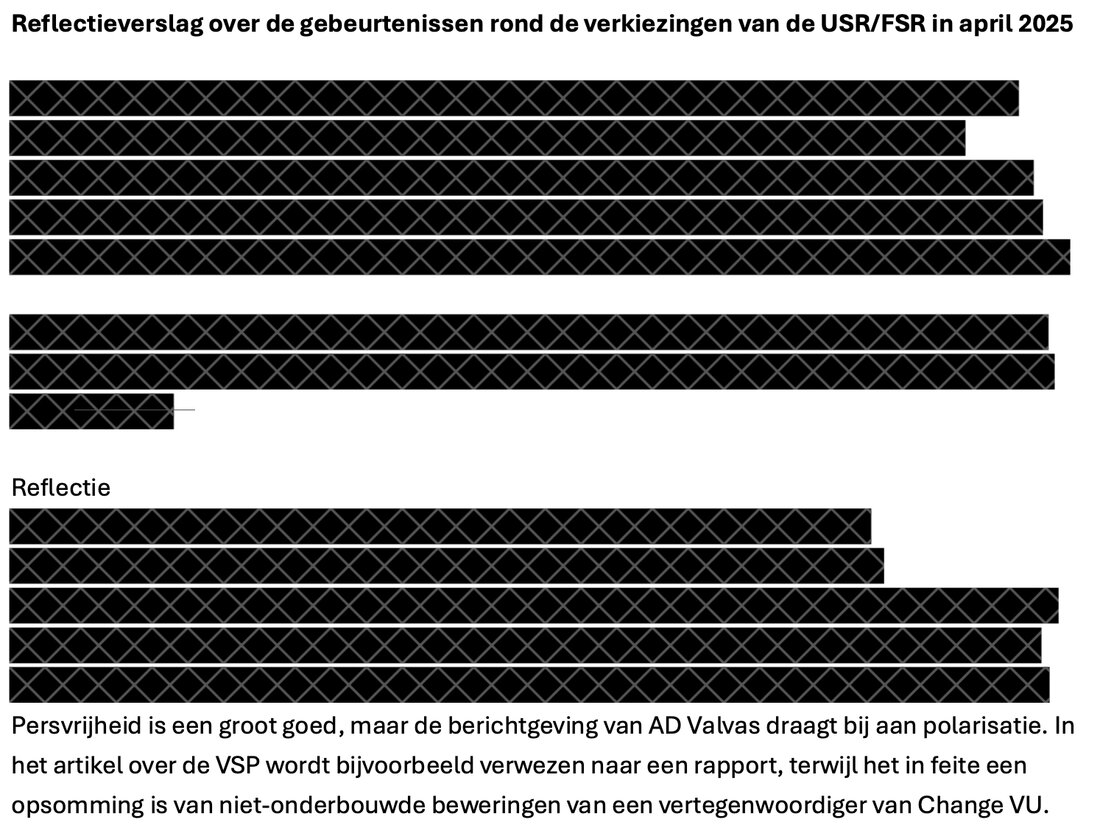
The mediator drew a clear line and confronted Breedveld about his behaviour, which was conduct unworthy of journalism, and later drew a damning conclusion about the way Ad Valvas had handled the accusations against VSP:
Press freedom is a great good, but Ad Valvas's coverage contributes to polarisation. In the article about VSP, for instance, reference is made to a report, while in fact it is a list of unsubstantiated claims by a representative of Change VU.
— Reflection report on the USR/FSR elections, April 2025
That quote gets to the core of the smear campaign. Political opponents produced accusations. Ad Valvas gave those accusations journalistic weight. Marlon then had to account, again, for stories that had never been carefully established.
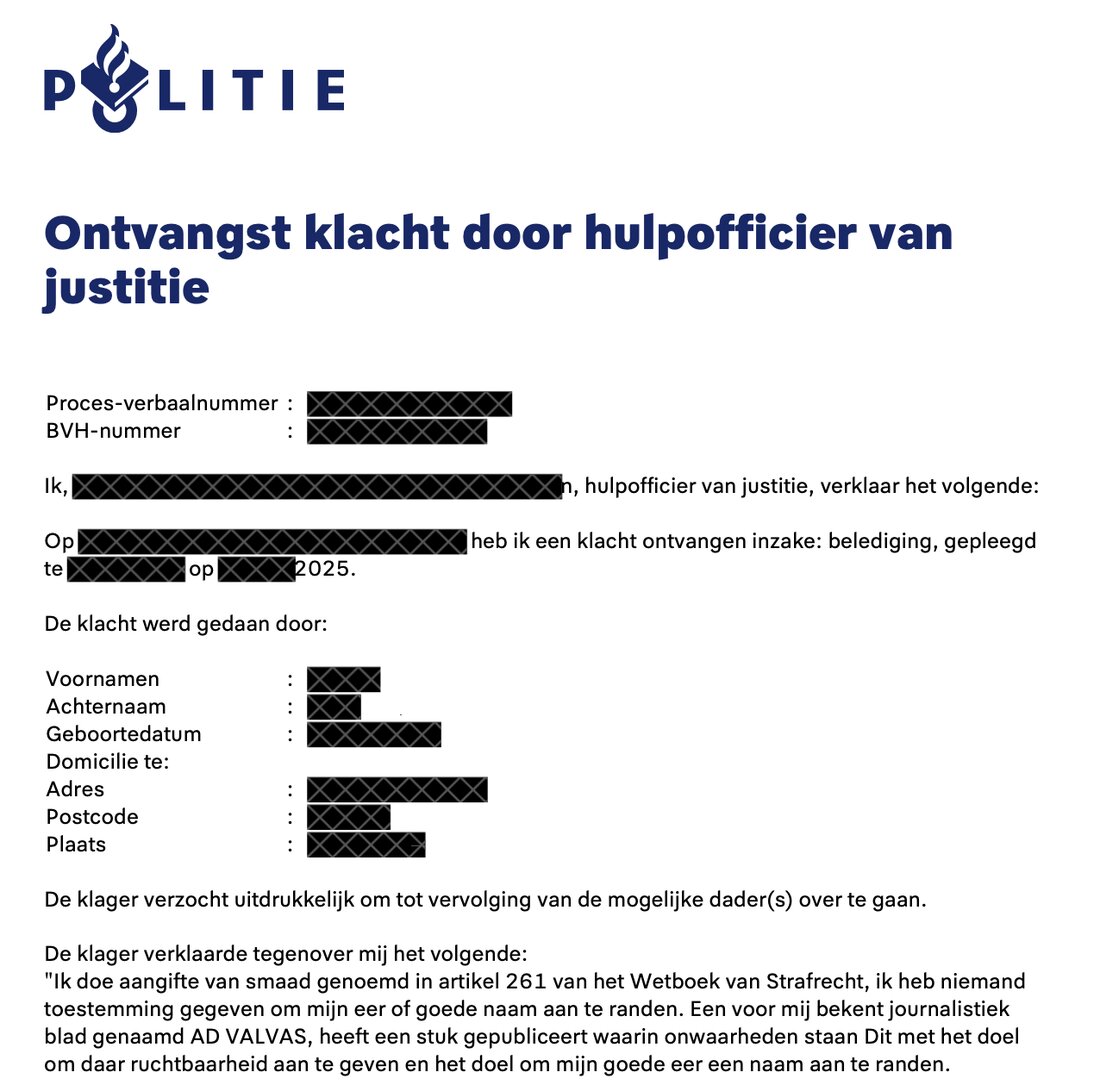
Because of the falsehoods in Ad Valvas's publications, a police complaint was filed for defamation, as defined in Article 261 of the Dutch Criminal Code.
Demonisation as a strategy
VSP wasn't just criticised. The party was demonised. Members were branded fascists, Nazis, racists, homophobic, transphobic and far-right. Marlon was increasingly, personally tied to those frames.
Systematically calling someone a Nazi or fascist isn't an ordinary insult. It's an attempt at social destruction. It places someone outside normal conversation. It makes someone fair game in the eyes of activists. And it lowers the threshold for intimidation, exclusion and violence.
That's exactly what happened. Where substantive debate should have taken place, insults came instead. Where arguments should have been exchanged, suspicion came instead. Where political opponents could have campaigned on their own ideas, they increasingly chose hatred toward VSP and Marlon instead.
Elections: from framing to sabotage
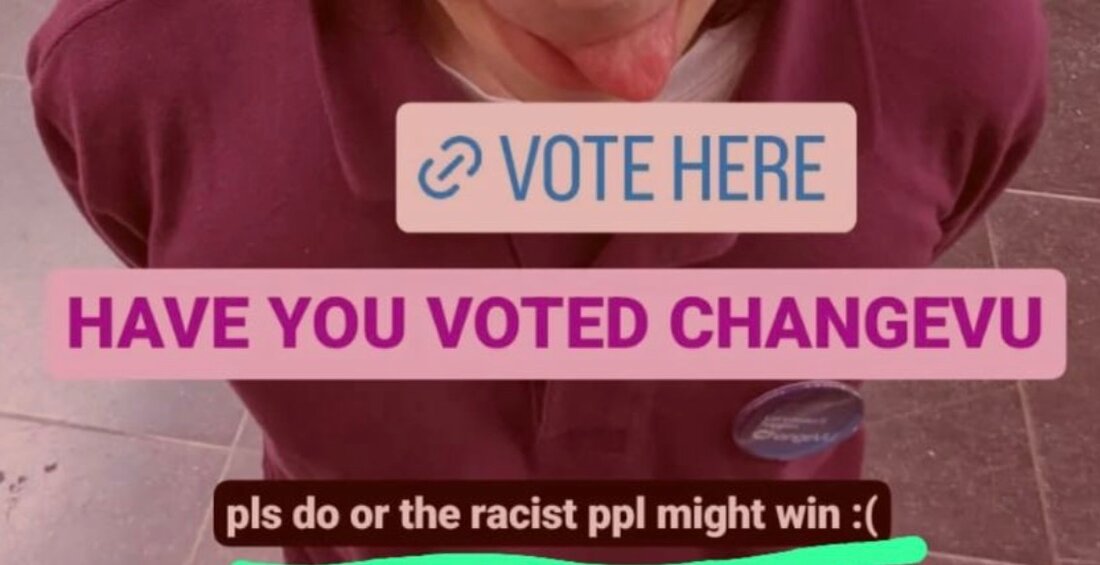
During the elections, the smear campaign became physically visible. VSP's opponents no longer ran a normal, substantive campaign. Their message wasn't about their own plans for the university, but about stopping VSP. The campaign became anti-VSP, anti-Marlon and anti-right, and, with that, anti-academic freedom.
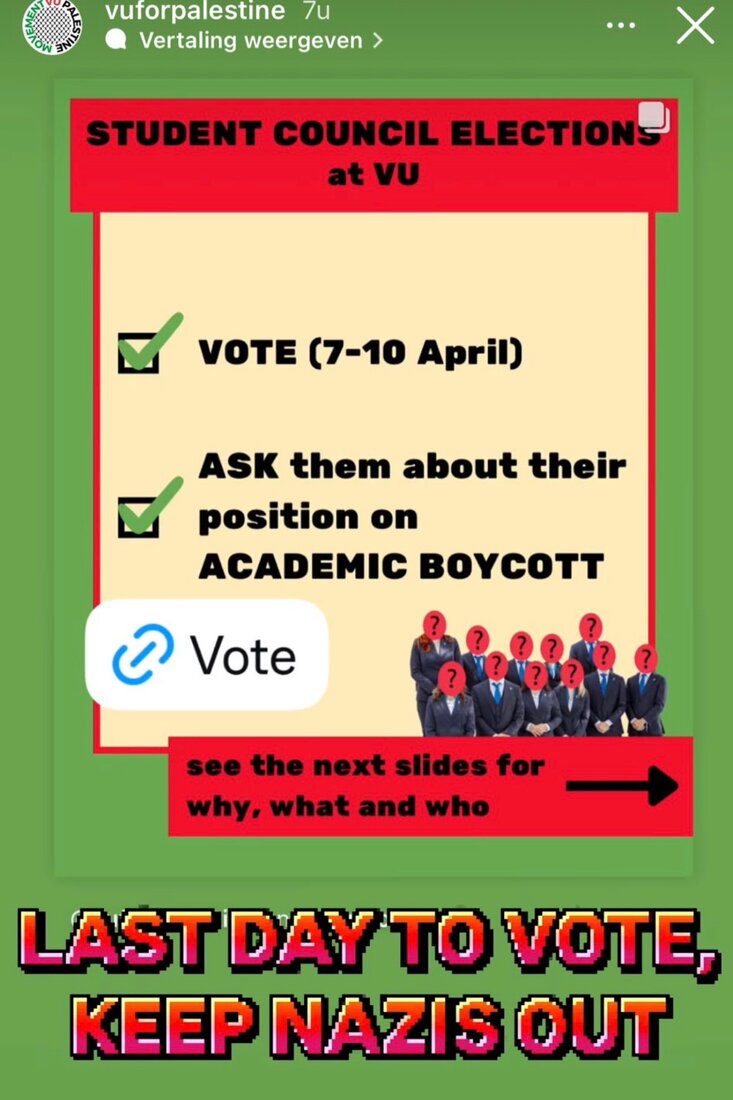
Campaign materials were vandalised or stolen daily. Flyers disappeared. Posters were papered over or destroyed. Stickers were removed. Personal and party items, including mugs, jackets, merchandise and campaign materials, were damaged or vanished. The damage ran into the thousands of euros.
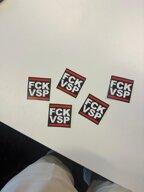
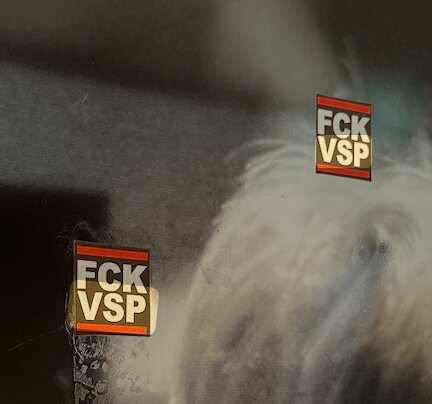
Volunteers were affected too. They were filmed, insulted and intimidated by activists from the circles of, among others, ChangeVU, SRVU, VU for Palestine and Antifa. Police reports were filed for theft, vandalism, threats and defamation.
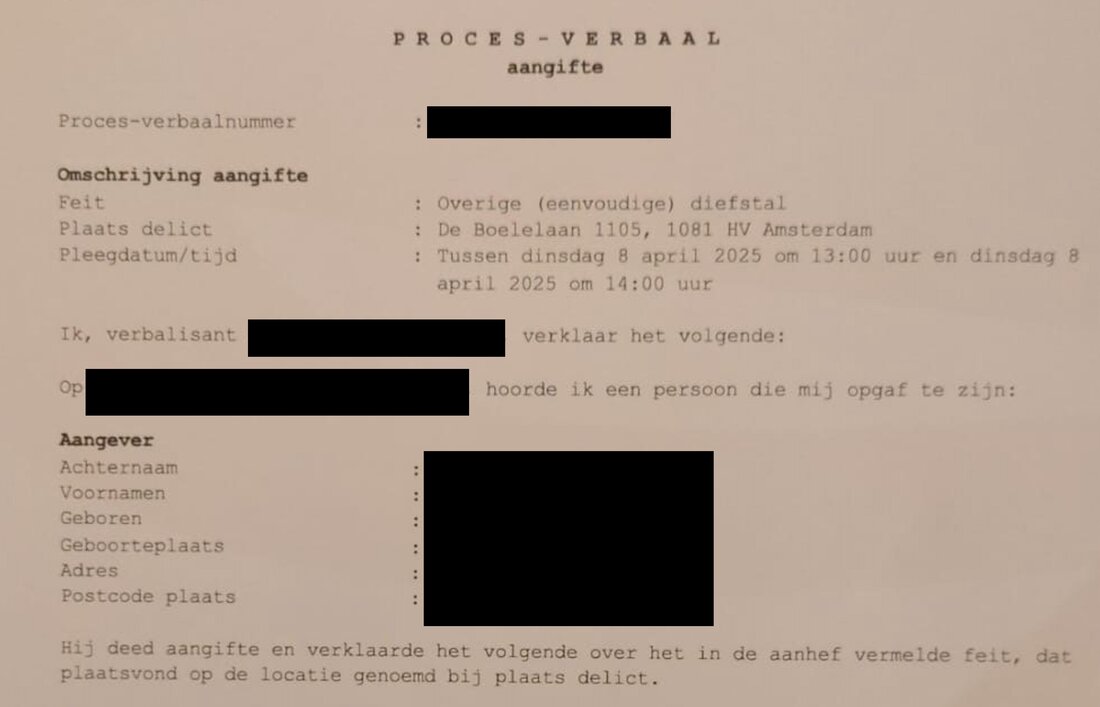
This wasn't a normal election battle. This was an attempt to remove VSP from campus: physically, socially and politically.
The bigger VSP got, the harder the smear campaign became
Despite the framing, sabotage and intimidation, VSP kept growing. In 2024, VSP became the largest party at the VU, with fifteen seats spread across various councils. The party then expanded to, among others, the UvA, Groningen, Leiden and Utrecht. VSP gained members, organised activities, and put academic freedom firmly on the map.
That's exactly what made the opposition fiercer. The smear campaign didn't get worse because VSP got weaker; it got worse because VSP succeeded. As long as VSP was small, it could still be dismissed as a fringe phenomenon. But from the moment VSP won seats, attracted members, and gained visible influence, the party became a threat to the left-wing ideological monopoly at the university.
From that point on, the attack shifted increasingly from the party to the person. Marlon was the face of VSP, and therefore also the primary target.
 'VSP is growing and the left doesn't know what to do'
Read the article on Nieuwrechts.nl →
The oh-so-tolerant left-wing opposing parties resort to exclusion the moment their own monopoly is challenged. That says it all, really.
— Nieuwrechts.nl
Reports, accusations and attempts to remove Marlon
For three years, attempts were made to administratively sideline Marlon through reports, accusations and social-safety procedures. Time and again, he had to report in or account for himself because political opponents had spread yet another story. These were serious allegations: intimidation, sexually inappropriate behaviour, violence and unsafety.
Those accusations weren't just untrue; they inverted reality. What VSP was accused of was exactly what VSP itself experienced: intimidation, threats, verbal abuse, provocation and inappropriate behaviour.
One of the few positive points in this history is that, before the incident, the VU had not caved to pressure for years to suspend or remove Marlon. Despite dozens of reports and accusations, no sanctions followed, not because the opponents stopped, but because the allegations consistently lacked sufficient basis.
So for a long time, the VU saw what was really going on: political opponents tried to achieve, through social safety, media and reporting procedures, what they couldn't achieve substantively or democratically. Marlon had to go. VSP had to be damaged. The party had to be silenced.
The report: the smear campaign in quasi-official form
After the 2025 elections, a supposedly objective report appeared about alleged inappropriate behaviour by VSP. In reality, this report came from the circle of political opponents. Marlon and VSP were not heard. The accusations came from one side only. Yet the report was used as though it were an independent investigation.
The allegations were serious, but unsubstantiated. The report contained stories about intimidation, sexual behaviour, violence and unsafety, while due process, meaning hearing both sides, was absent. It was later confirmed what VSP had known from the start: this was not a dignified or independent report, but a collection of unsubstantiated claims by opponents.
That made visible how the smear campaign worked. First, political stories were produced. Then those stories gained weight through media and quasi-official documents. Marlon then had to defend himself, again, against accusations that were never proven.
Vrijmoedige Praatjes on this period Listen to the episode on Spotify →Three years of threats, verbal abuse and provocation
The most shocking part of this history is that the threats, verbal abuse and provocation continued for three years straight. Not just during elections. Not just online. But also on campus, at drinks, at gatherings, and even privately in Amsterdam.
VSP members were insulted, harassed and threatened. Marlon was repeatedly sought out, challenged and called to account for supposedly being a "nazi", "fascist" or "far-right". Beer was thrown. Belongings were vandalised or stolen. People tried to provoke us, sometimes openly, sometimes covertly. The same circles kept coming back: activists, political opponents and international students from radical-left networks around ChangeVU, SRVU, VU for Palestine and Antifa.
This was the climate in which VSP had to operate. A climate in which threats became normal. Where insults became normal. Where provocation became normal. Where the lie that VSP was dangerous was used to excuse dangerous behaviour against VSP.
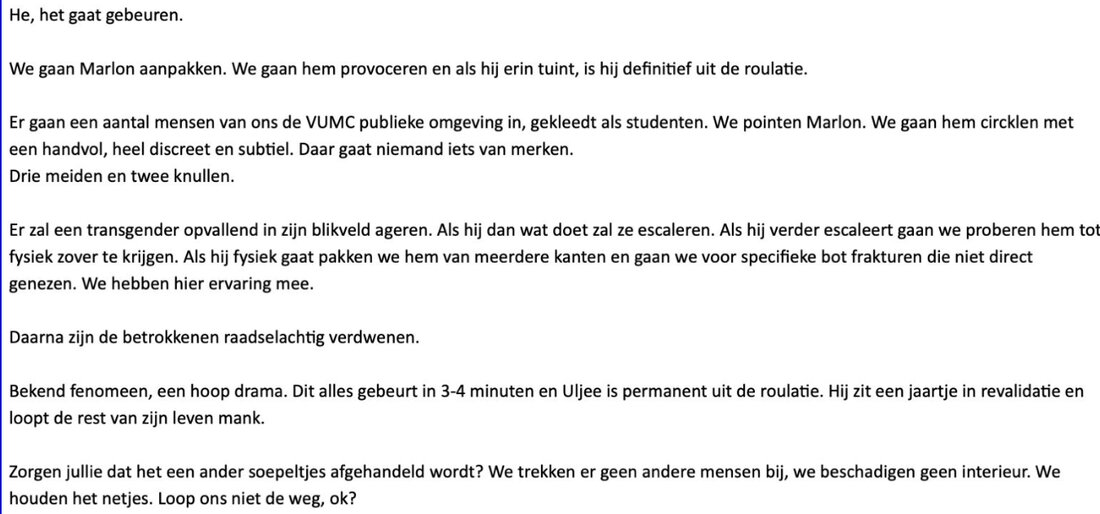
The lead-up to the escalation
At the start of the new academic year, the atmosphere grew grimmer still. The opposition became more personal, more direct, more aggressive. Members were harassed at drinks. Marlon was sought out more and more insistently. The verbal abuse, provocation and accusations continued.
After three years of framing, threats, vandalism, theft, false reports, intimidation and provocation, there was no longer any question of normal political struggle. A permanent hostile climate had emerged in which VSP wasn't just opposed on the substance, but had to be shut down as a movement.
In late November, that years-long tension came to a head. Marlon was no longer just politically attacked, but personally sought out, challenged and harassed. What happened next cannot be separated from this history. It wasn't the beginning of the conflict. It was the result of a smear campaign that had already been going on for three years.